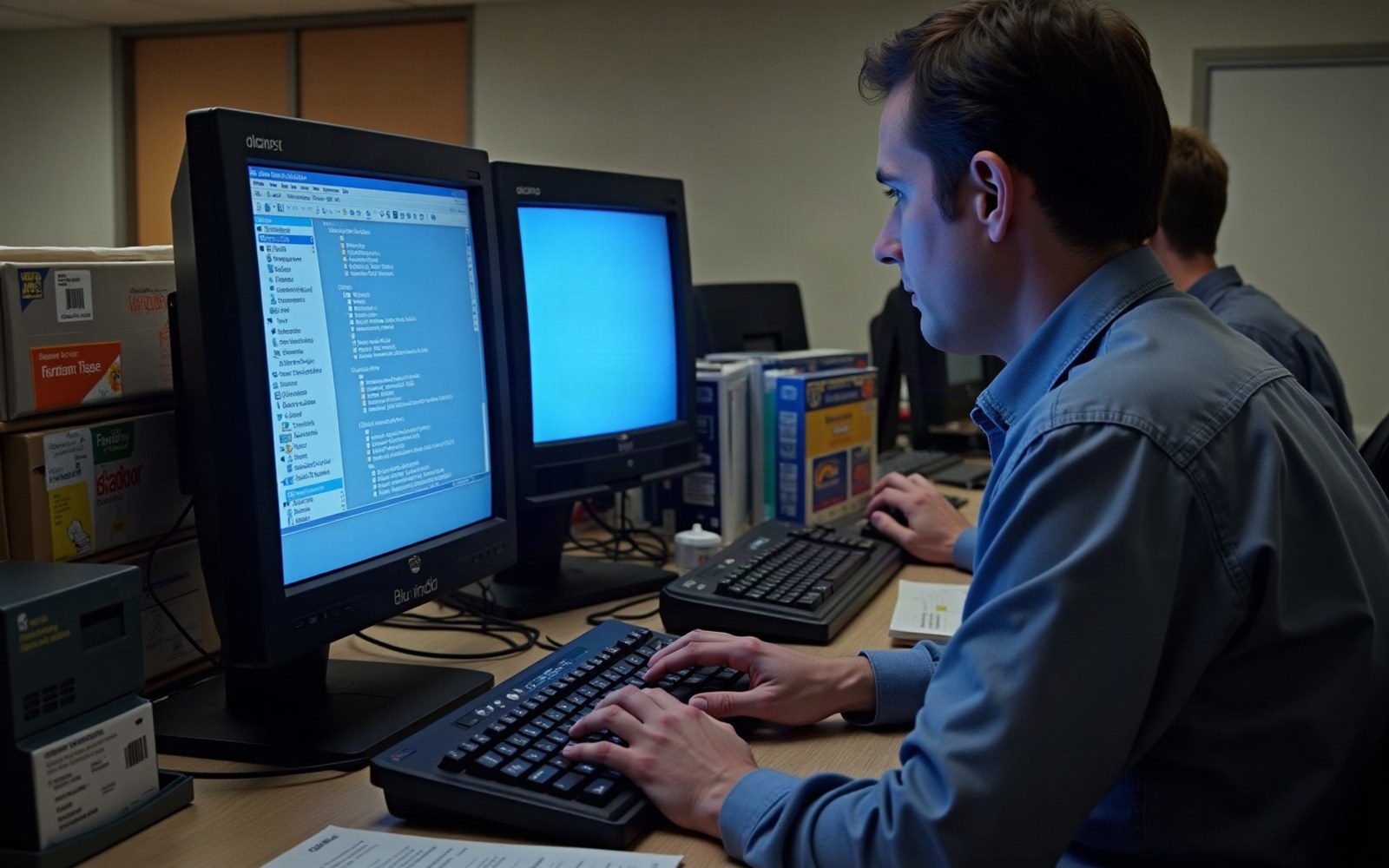
Two Ownership Changes, One Compiler Still Shipping
By the middle of the 2000s, Borland International had concluded, publicly, that it was no longer principally a tools company. The IDE and compiler division that had built Turbo Pascal, Delphi and JBuilder was increasingly seen as a distraction from Borland's larger ambitions in application lifecycle management software. The announcement came in February 2006: Borland would divest its developer tools business. The unit had no immediate buyer, so Borland spun it into a subsidiary called CodeGear — formally established in late 2006 as a wholly owned subsidiary — while it continued to search for a purchaser. For Delphi developers watching from the outside, the period felt like a prolonged uncertainty: the compiler still shipped, but its corporate future was unresolved for the better part of two years.
CodeGear's actual independence, such as it was, produced one significant release. Delphi 2007 for Win32 arrived while the subsidiary was finding its footing, and the Delphi 2007 launch signalled that the roadmap was at least temporarily intact. The team also began work on what would become Delphi 2009 — the release that introduced full Unicode support and generics. That architectural ambition was already visible in CodeGear's public statements during 2007 and early 2008, even before the second sale concluded.
Delphi-era developer conferences were where version changes got argued out in front of the people who had to migrate.
Photo: Matheus Bertelli / Pexels
What Embarcadero Changed, and What It Did Not
In 2008, Embarcadero Technologies — a database-tools company headquartered in San Francisco, California, best known for products such as ER/Studio and DBArtisan — acquired CodeGear from Borland ↗ for a consideration Borland disclosed in its SEC filings at approximately $23 million in cash plus the assumption of certain liabilities. The price reflected a business that was generating revenue but carrying the weight of years of underinvestment: the IDE had lagged its rivals in refactoring support and cross-platform capability, and the compiler team was smaller than it had been at the peak of the Borland years. Embarcadero folded the acquired tools into what it branded RAD Studio, a packaging decision that grouped Delphi with C++Builder under a single product umbrella.
A parts store rather than a code library, but the same premise — take a standard piece off the shelf instead of making one.
Photo: Charlie Merrow / Pexels
What the Embarcadero acquisition changed most immediately was investment priority. The new owner had commercial incentives to keep the Delphi installed base paying for upgrades, and within months of the acquisition it shipped Delphi 2009 — the Unicode migration that rewired the default string type from AnsiString to UnicodeString and delivered generics to the language. That release landed in August 2008, only months after the acquisition closed, meaning the engineering work predated Embarcadero's ownership; but the decision to ship it, and to commit to the roadmap that followed, reflected the new stewardship. The VCL was extended rather than replaced, and Windows remained the primary target throughout the transition period.
What the sale did not change was the fundamental architecture of the toolchain. The single-pass compiler, the DFM-based form designer, the RTTI system underpinning the Object Inspector — all of these survived both transactions intact. The Embarcadero years eventually brought FireMonkey as a second UI framework and expanded mobile targets, but those developments lay further along the timeline; in 2008, the immediate effect of the acquisition was stability of tenure more than revolution of design.
The two sales together trace a recognisable pattern in the history of development tools: a large vendor decides the product is peripheral, a transitional structure holds it while a buyer is found, and a specialist acquirer picks it up at a price shaped by uncertainty rather than potential. Borland's divestiture announcement ↗ in February 2006 set the sequence in motion; Embarcadero's May 2008 closing ended it. Between those two dates, the compiler kept compiling, the community kept shipping software, and the third-party ecosystem — component vendors, the JEDI volunteer library, magazines and user groups — operated as though continuity were assured, which in retrospect it was, though nobody in 2006 could have said so with confidence.
More in After Borland