Delphi · the component
Somebody dragged a button onto a form and the industry changed shape
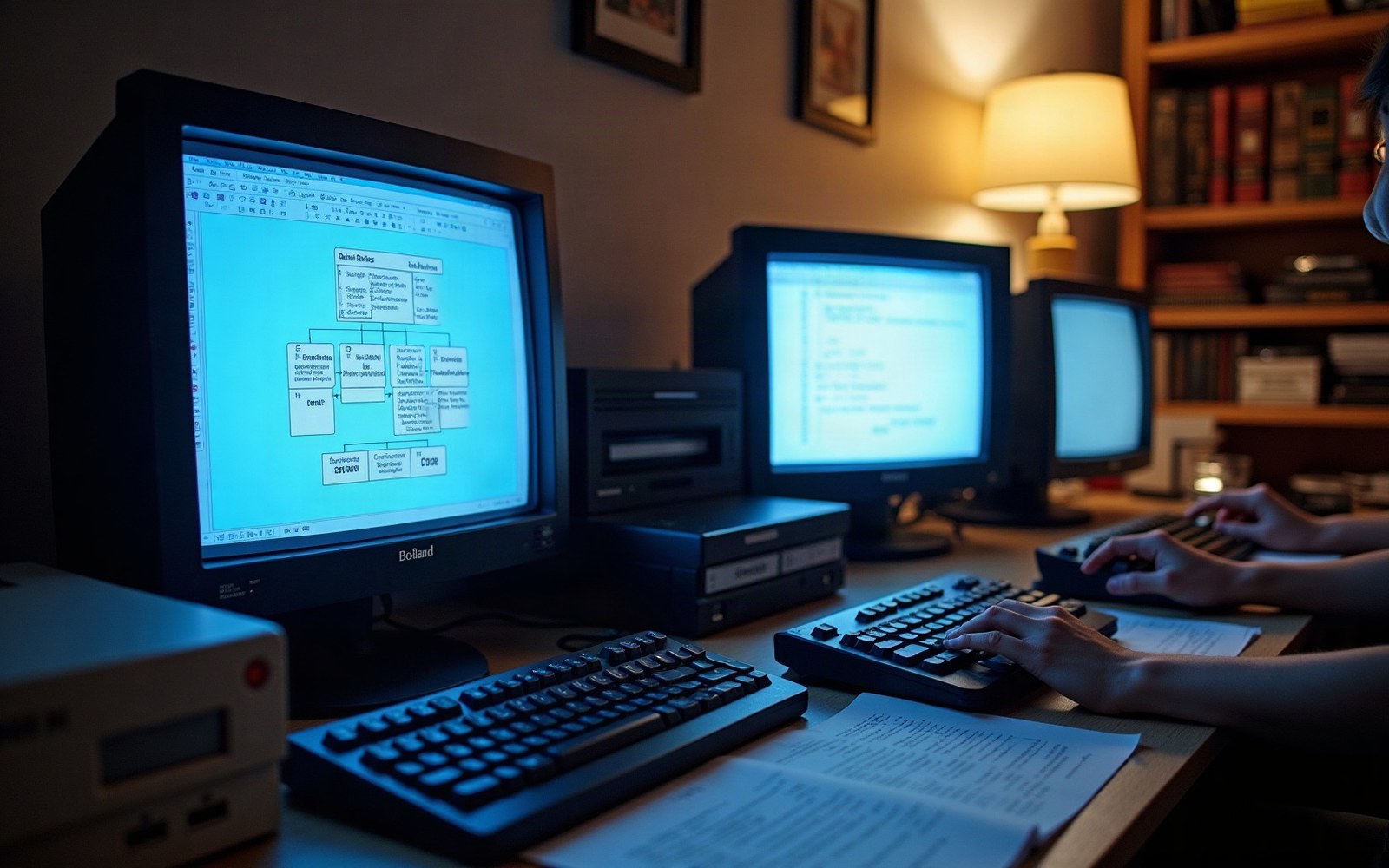
Delphi 1, 1995: a visual designer over a native compiler, on 16-bit Windows. Photo: cottonbro studio / Pexels
A reference on Object Pascal, the Delphi line and the libraries built on it.
Delphi · the component
Delphi 1, 1995: a visual designer over a native compiler, on 16-bit Windows. Photo: cottonbro studio / Pexels
1970
Niklaus Wirth publishes Pascal — a language drawn so a compiler can read it in one direction only.
1983
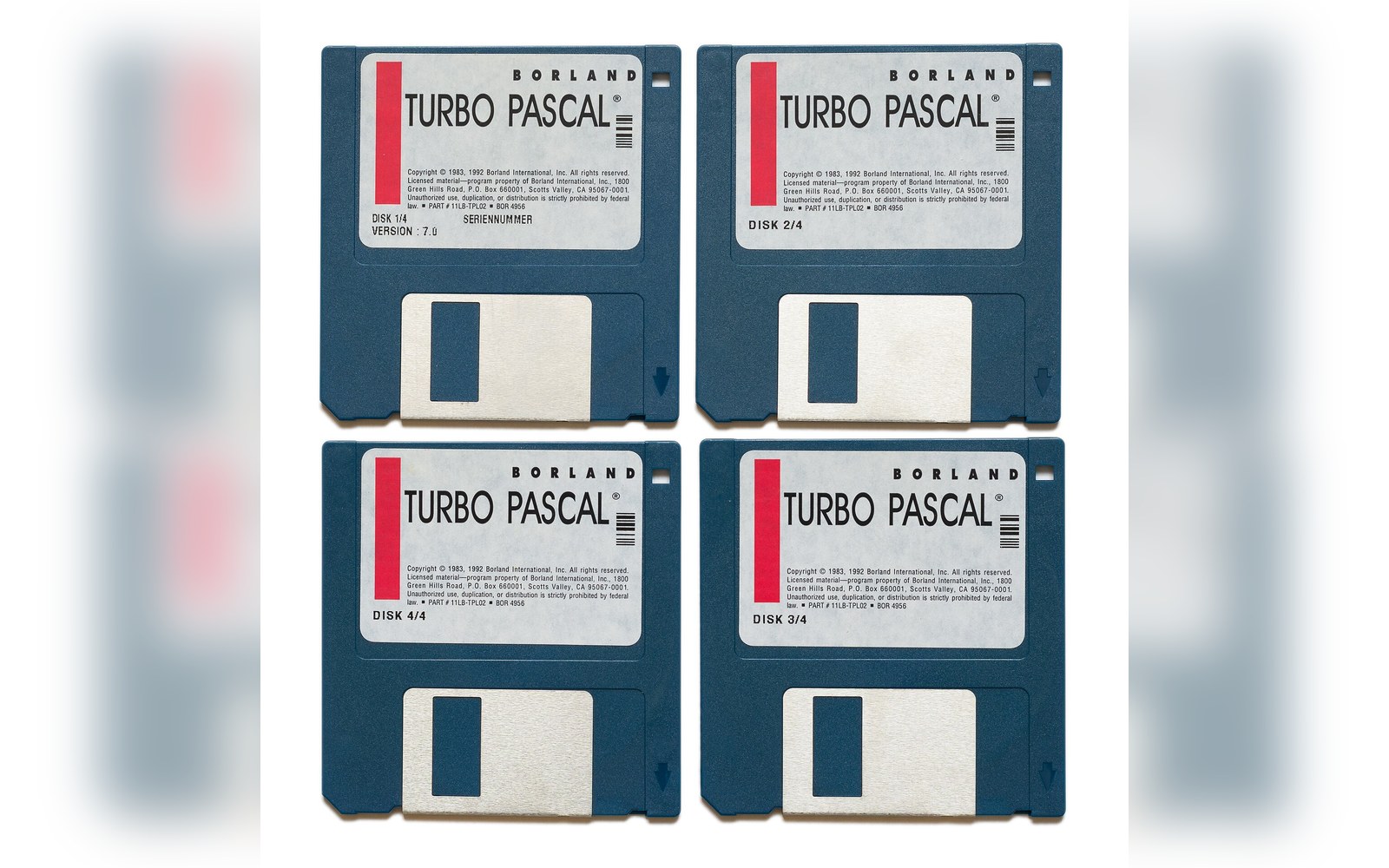
Anders Hejlsberg's Turbo Pascal ships for Borland: editor, compiler and linker in one program, on one floppy.
1993
Florian Klämpfl starts Free Pascal. Lazarus follows in 1999 and the language stops depending on one vendor.
The VCL gave every Delphi application a floor of several hundred kilobytes before a line of your own code went in. Vladimir Kladov's Key Objects Library refused the hierarchy and did the same visible work in tens.
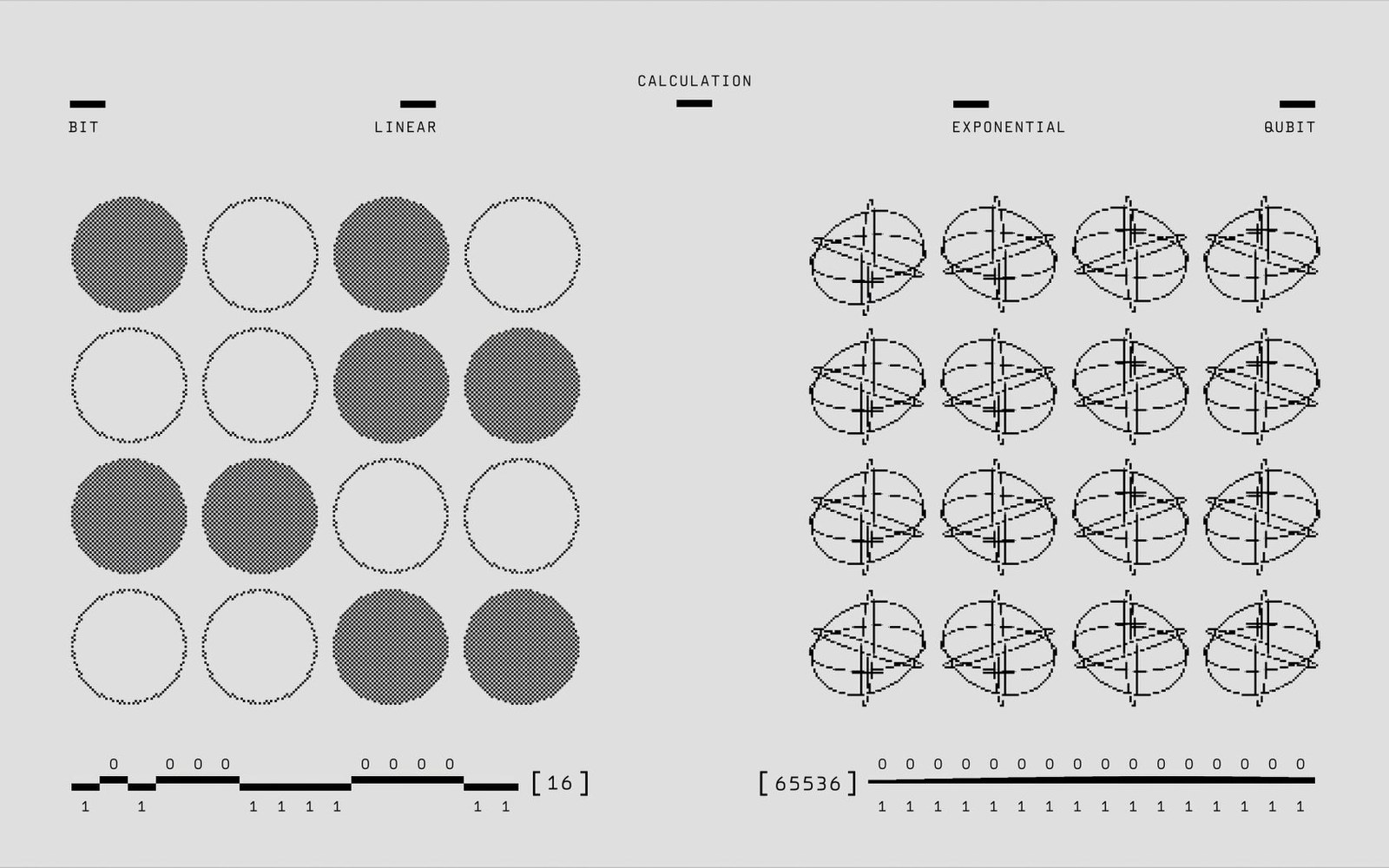
A diagram of bit states. KOL's case was arithmetic — the same visible work, an order of magnitude fewer bytes.
Photo: Google DeepMind / Pexels
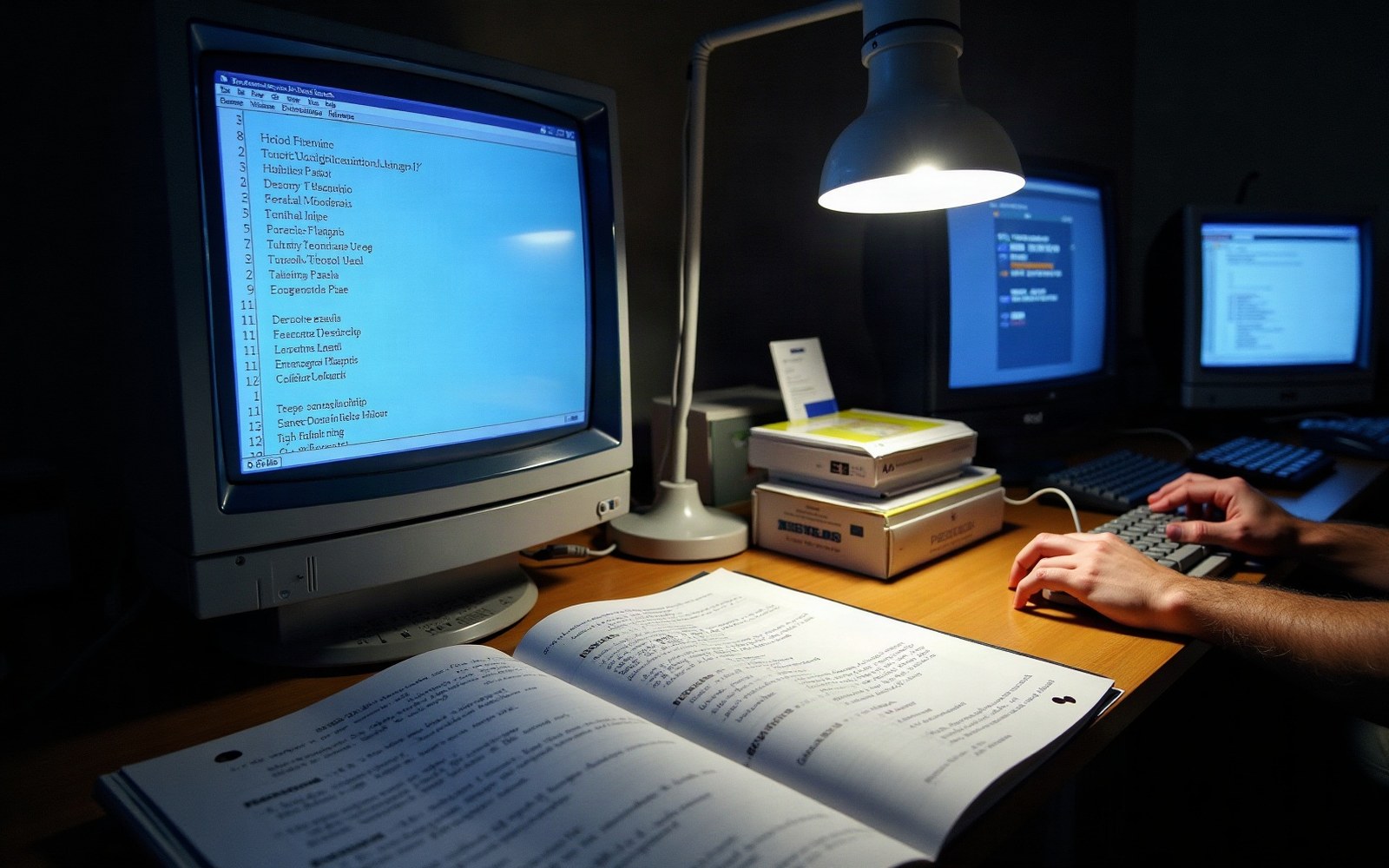
Wirth's 1970 report ran to a few dozen pages; the language it defined outlived every machine it was first compiled for.
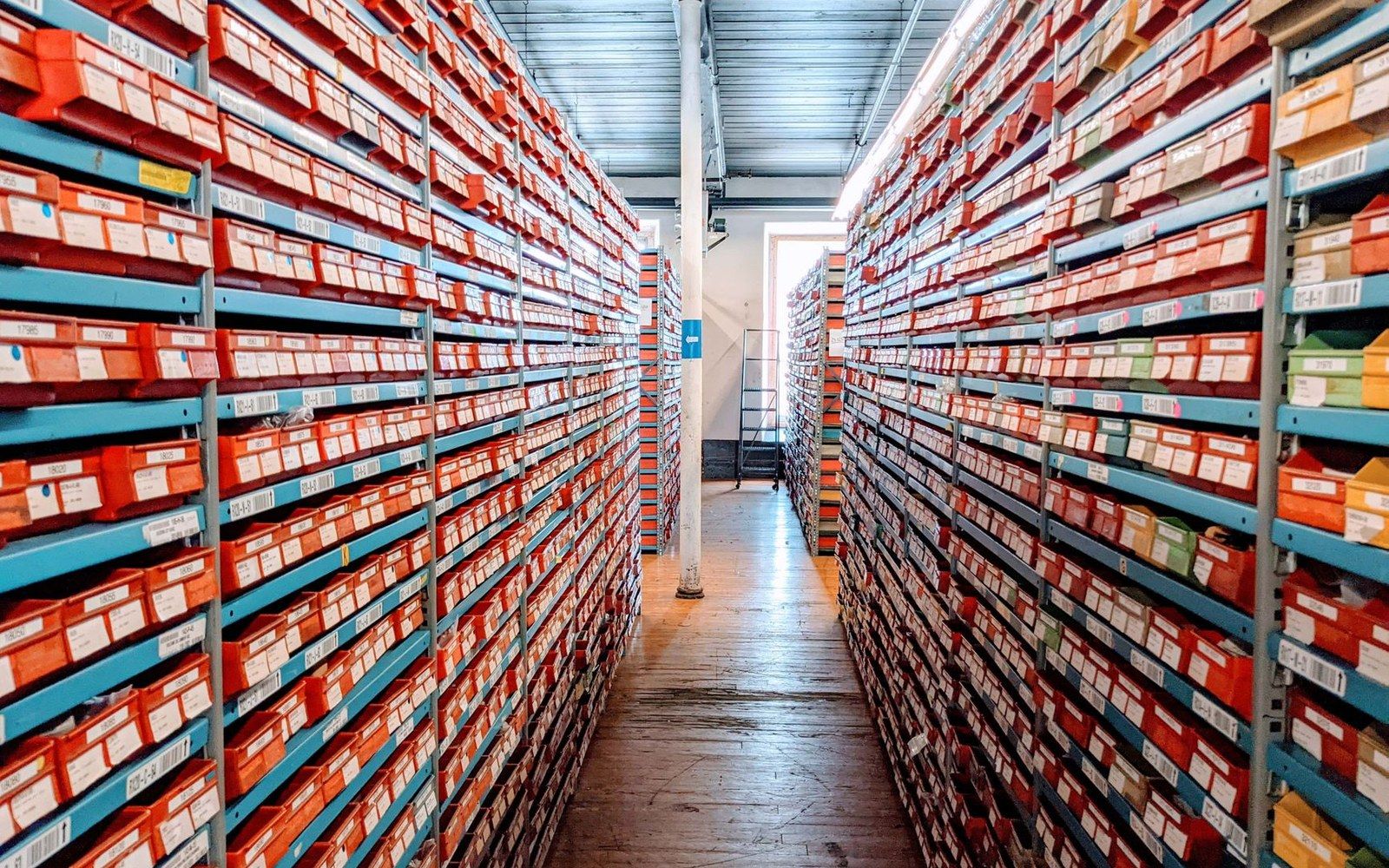
A visual form designer over a native compiler, on 16-bit Windows.

A flatter object model, and a binary a fraction of the size.
After Borland
CodeGear in 2006, Embarcadero in 2008, and a compiler that outlasted both announcements
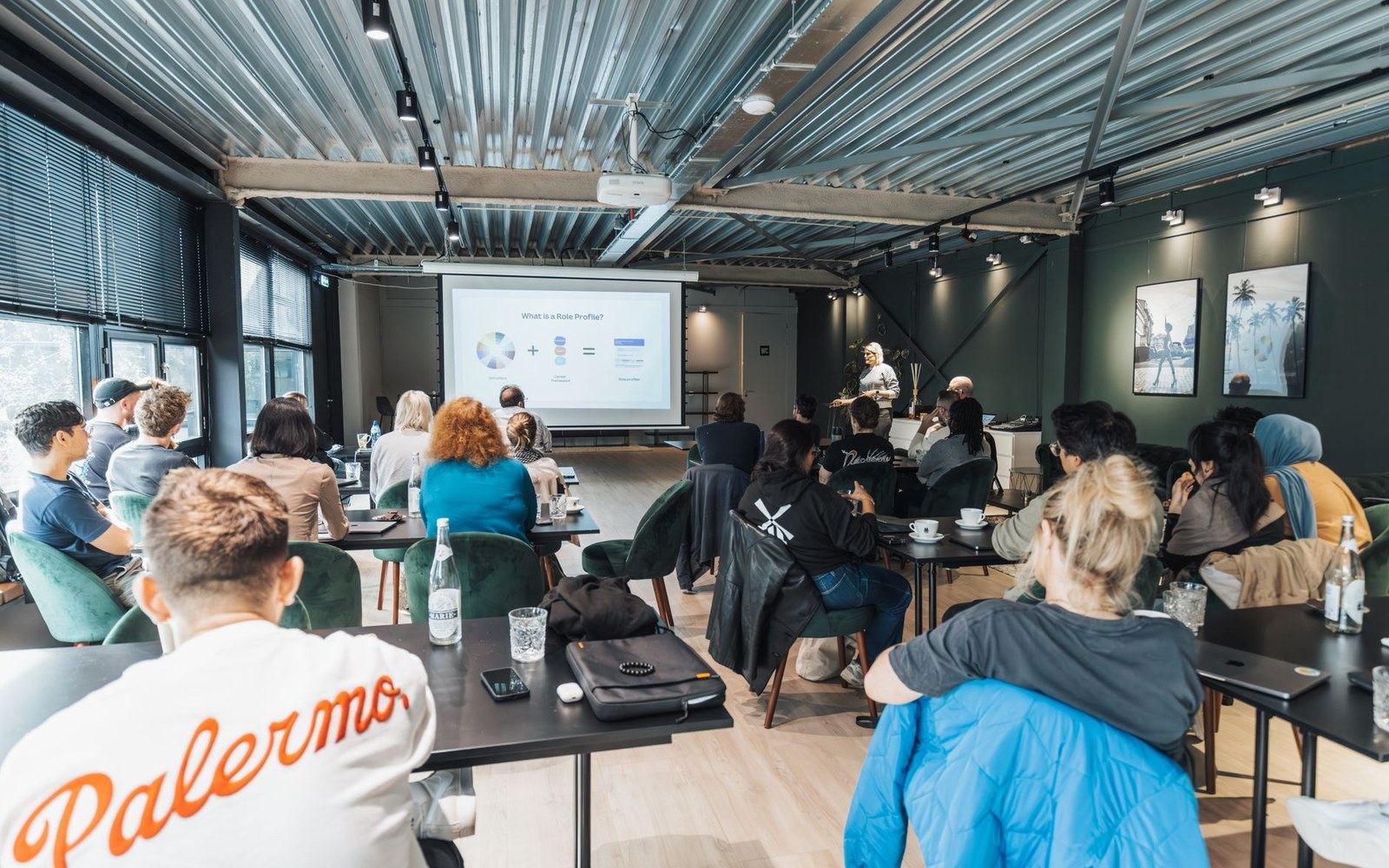
Delphi-era developer conferences were where version changes got argued out in front of the people who had to migrate.
Photo: Matheus Bertelli / Pexels
Every VCL control inherits several generations of behaviour before a developer writes a line of their own.
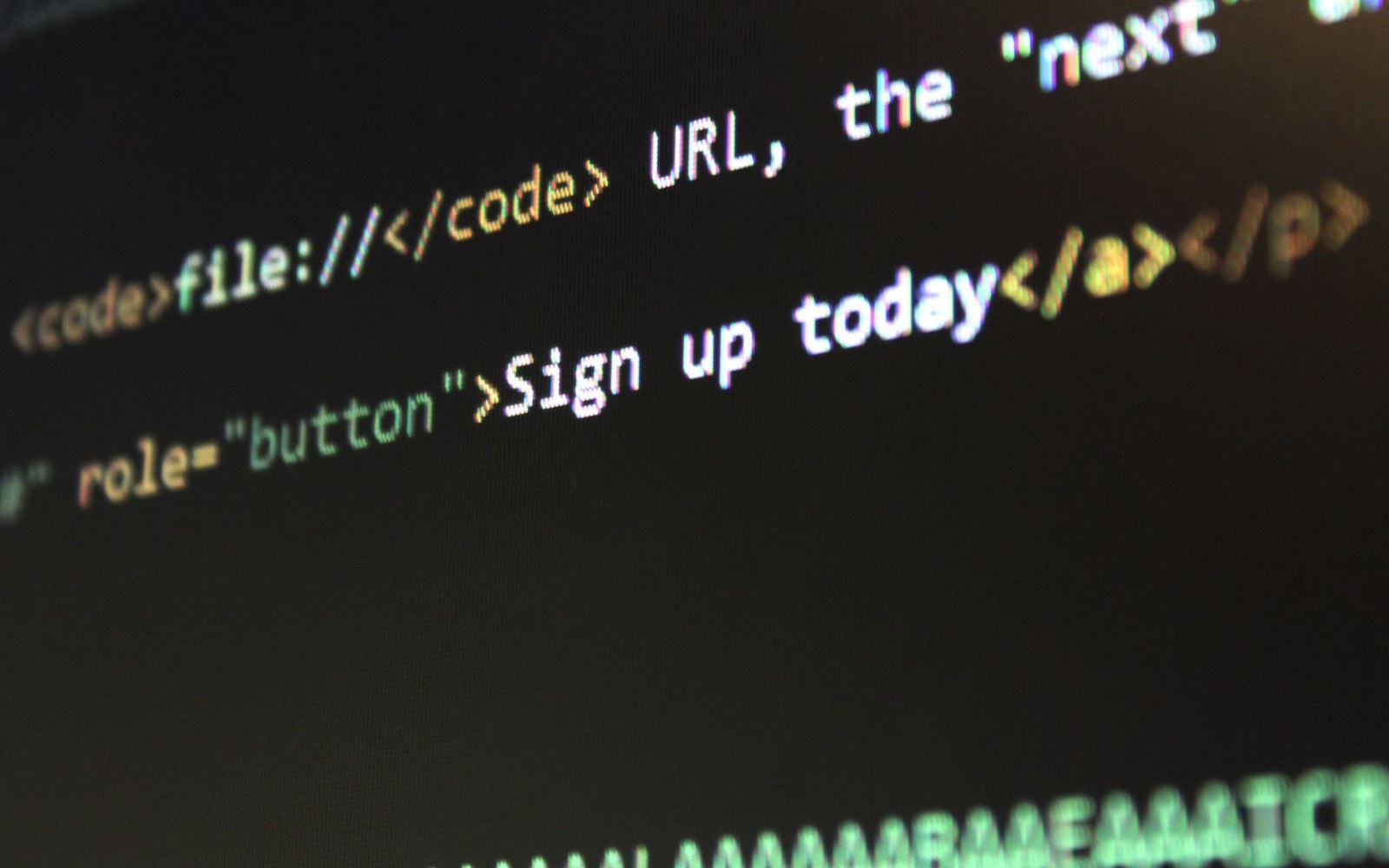
A form's entire component tree, written out as name-value pairs a person could read and a diff tool could merge.
Borland sold it in 2006 and again in 2008. It is still compiling.
Fifteen years of keeping it alive →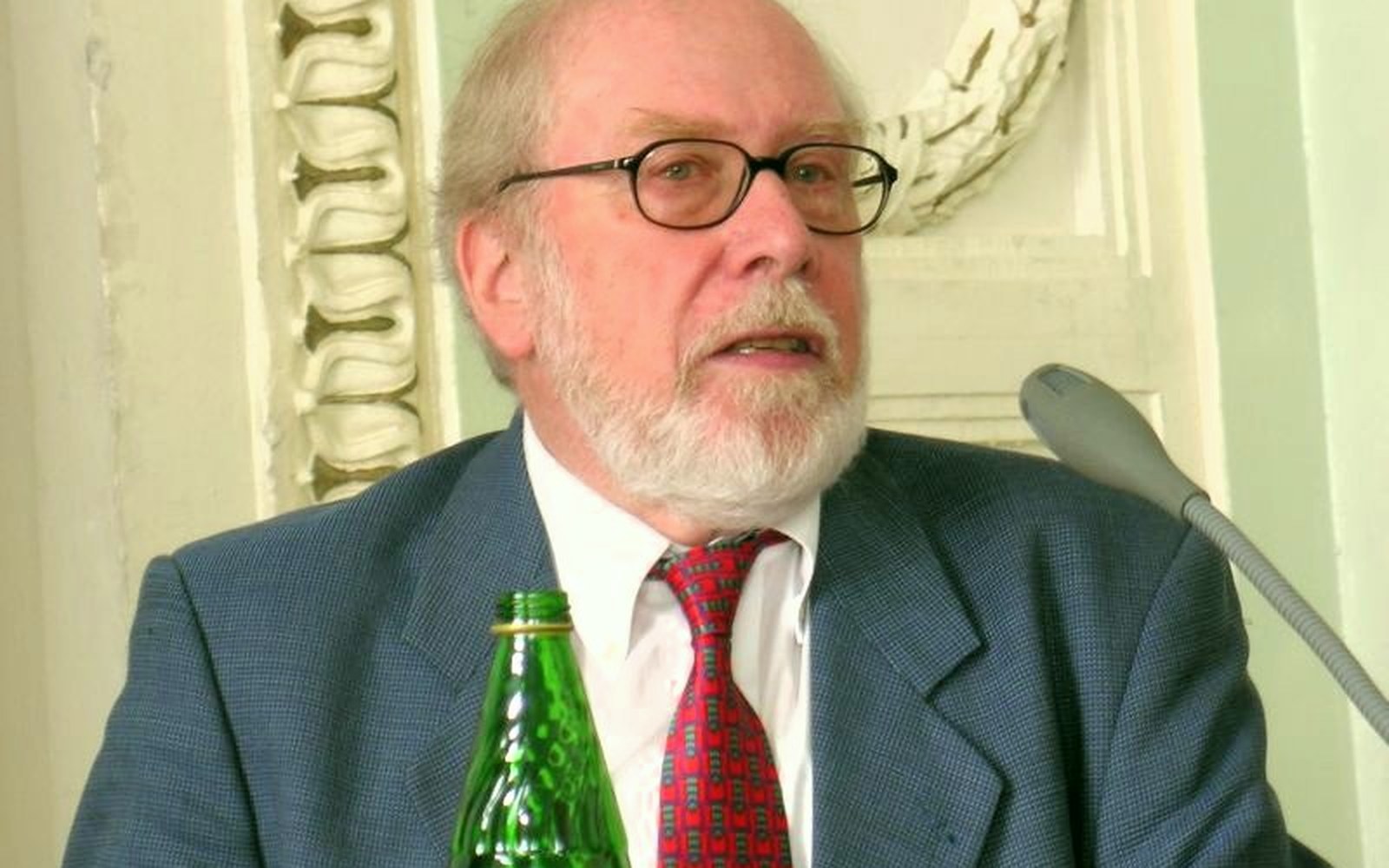
Niklaus Wirth
Designer of Pascal, ETH Zürich
Anders Hejlsberg
Author of Turbo Pascal; chief architect of Delphi
Vladimir Kladov
Author of the Key Objects Library and Mirror Classes Kit
Florian Klämpfl
Founder of the Free Pascal compiler project
Photographs: Wikimedia Commons; Pexels; generated for this site.