From Bedroom to Build Farm
In 1993, Florian Klämpfl began writing a Pascal compiler from scratch — not as a commercial venture but as a personal exercise in compiler construction. His stated goal was compatibility with Borland's Turbo Pascal and, eventually, with the Object Pascal dialect that Borland was extending for Delphi. That decision to chase compatibility rather than invent a new dialect proved to be the project's defining constraint and its greatest asset.
The early compiler targeted 32-bit DOS via the DOS extender environment, a practical choice when most Pascal developers still lived on DOS machines. From that foundation, Free Pascal ↗ extended its reach platform by platform — OS/2, Linux, Windows, macOS, and eventually ARM, MIPS, SPARC and WebAssembly targets, among others. The compiler is itself written in Pascal, a self-hosting design that means every new platform requires bootstrapping from an existing supported host, a discipline that concentrates effort and enforces internal consistency.
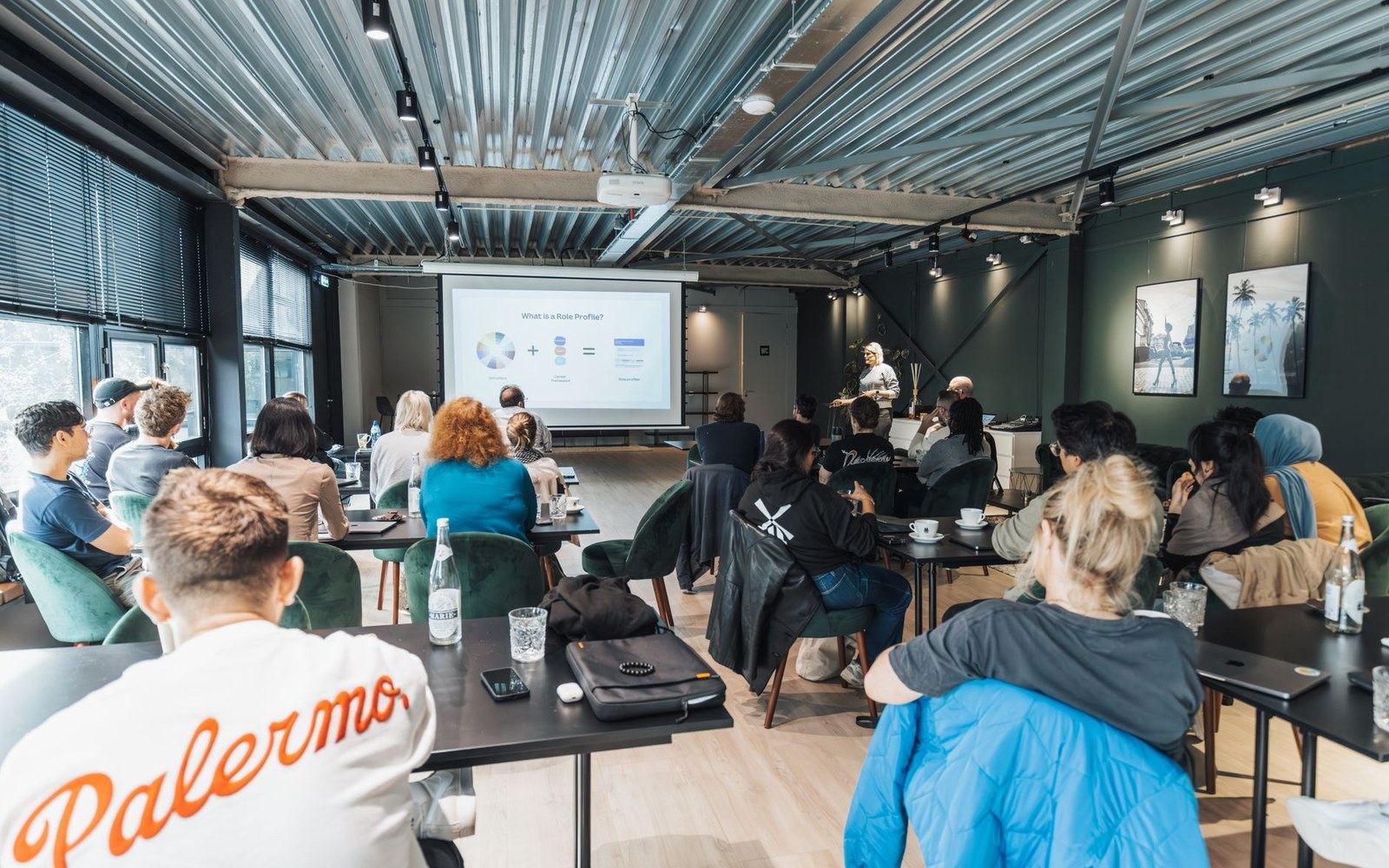
Delphi-era developer conferences were where version changes got argued out in front of the people who had to migrate.
Photo: Matheus Bertelli / Pexels
Pascal's declaration-before-use rule is legible in any listing: every type and variable is named before the statements that touch it.
Klämpfl's early architectural choices were consequential. The compiler was built as a multi-pass system rather than as a single-pass compiler, which gave the project the flexibility to produce optimised output across diverse CPU architectures without reworking the language model. The abstract syntax tree representation at the compiler's core allowed back-ends to multiply without destabilising the front-end — a structural decision that enabled the Free Pascal project to support well over a dozen target platforms by the time the compiler reached maturity.
Michaël Van Canneyt joined the project as a core developer and has worked alongside Klämpfl through the compiler's most sustained growth phases, including the implementation of generics, operator overloading, and the class helpers and interfaces that brought the language into close alignment with Embarcadero's evolving Object Pascal. That alignment matters: Free Pascal's Delphi-compatibility mode is the foundation on which Lazarus ↗ builds its IDE, giving the whole stack a degree of practical interoperability with the commercial ecosystem that neither a clean-room reimplementation nor a pure fork could easily achieve.
By the time Embarcadero Technologies had consolidated the Delphi product line under its own stewardship after 2008, Free Pascal had already established itself as the compiler the community reached for when the commercial option was too expensive, too Windows-centric, or simply unavailable on the target platform. The arc from Klämpfl's 1993 starting point to a production compiler shipping on embedded ARM targets is, in retrospect, a direct consequence of that first decision: build for compatibility, and let the platforms follow.
More in People